
No-Cook Low-Calorie Evening Snacks for Busy Nights
For a no-cook, low-calorie evening snack, pair ready-to-eat protein with fruit or vegetables and a measured portion of something you enjoy. Greek yogurt with berries, cottage cheese with tomatoes, or hummus with crunchy vegetables usually takes less than five minutes and lands around 150–300 calories. The goal is not the lowest possible calorie count; it is enough protein, fiber, and volume to feel satisfied, plus a little fat or crunch if you want it.
1. What can I eat right now that is low-calorie but actually filling?
Try one of these combinations. The portions are practical starting points, and the calorie counts are estimates because brands vary.
- Plain Greek yogurt, about 170 g, with ½ cup berries and cinnamon: roughly 130–190 calories; 2 minutes.
- Low-fat cottage cheese, ½ cup, with sliced tomatoes, black pepper, and a little salt: about 110–160 calories; 3 minutes.
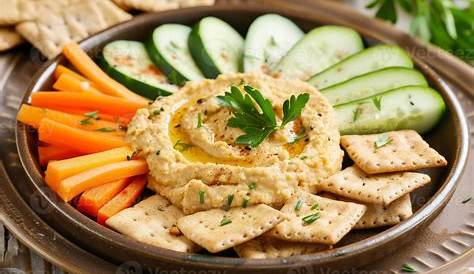
- Hummus, 3 tablespoons, with 2 cups cucumber, pepper, and carrot sticks: about 150–220 calories; 5 minutes if the vegetables are already washed and cut.
- Tuna, one small drained can or pouch, with cucumber rounds or two rye crispbreads: roughly 160–250 calories, depending on the tuna and crackers; 3 minutes.
- Shelled edamame, ¾ cup thawed, with a mandarin or a few cherry tomatoes: about 180–240 calories; 3–5 minutes.
- Two reduced-fat cheese sticks with an apple: approximately 180–250 calories; no preparation.
- Turkey or chicken deli slices, 85 g, rolled around pickles or lettuce, plus one piece of fruit: around 170–260 calories; 3 minutes.
- White beans, ½ cup drained and rinsed, with salsa and cucumber: about 150–210 calories; 3 minutes.
For a light bite, choose half a yogurt with fruit, a cheese stick, or vegetables with 2 tablespoons of hummus. For a mini-meal—especially if dinner was several hours ago—use the larger portions or add a whole-grain crispbread. After exercise, choose a fuller option such as Greek yogurt with berries, edamame with fruit, tuna with crispbreads, or deli turkey with fruit. The right amount depends on what you ate earlier, your activity, and the size of your usual meals.
These combinations tend to be more satisfying than eating a small amount of a highly snackable food and hoping hunger goes away. If you are still hungry after 15 or 20 minutes, add fruit or vegetables first and reassess.
2. How do I stop a small evening snack from turning into a whole second dinner?
Build the snack from one protein, one high-fiber or high-volume food, and, if you want it, a small amount of healthy fat or a starchy food. That usually creates a satisfying snack in the 150–300 calorie range without asking you to rely on willpower.
Protein can come from Greek yogurt, cottage cheese, tuna, beans, edamame, deli turkey, tofu, or cheese. Fiber and volume usually come from fruit, vegetables, beans, berries, or a modest serving of whole-grain crackers. Hummus, nuts, seeds, and avocado add fat and flavor, but calories climb quickly when you eat them straight from the tub or bag.
For example, ½ cup cottage cheese with tomatoes and one crispbread might provide roughly 150–220 calories, depending on the products. It gives you protein, water-rich produce, and crunch. A loose handful of crackers may contain 150 calories or more and be easy to finish without feeling that you ate much. Sweets and crackers are not forbidden; when you are genuinely hungry, they work better as the measured part of a balanced snack than as the entire snack.
Serve the portion before you sit down. Put yogurt in a bowl, count the crackers, and close the package. A planned 250-calorie mini-meal is often more useful than repeatedly grazing on small extras. Do not set an unrealistically tiny target, such as only a few cucumber slices after a demanding day.
3. Which snack fits the craving I’m having tonight?
Match the snack to the texture or flavor you want.
For something sweet, try plain or lightly sweetened Greek yogurt with berries, a sliced banana with 1 teaspoon peanut butter, or cottage cheese with pineapple. These usually fall between 150 and 280 calories, depending on the portion. For chocolate, add 1 teaspoon cocoa powder to yogurt or have one small square of dark chocolate alongside a protein-rich snack.
For something salty, use cottage cheese with tomatoes and pepper, tuna with pickles, edamame with a little soy sauce, or sliced turkey with mustard. Keep salty condiments modest, especially if you are sensitive to sodium. A measured serving of olives can work too, but pair it with fruit, yogurt, or another protein source.
For crunch, choose vegetables with hummus, an apple with a cheese stick, air-popped popcorn that was prepared earlier, or two to four whole-grain crispbreads with tuna or cottage cheese. Popcorn can be low in calories when lightly seasoned, but packaged versions vary widely in oil and serving size.
For something creamy, use Greek yogurt, cottage cheese blended or simply stirred smooth, hummus, or mashed avocado on one crispbread. Avocado is nutritious but calorie-dense, so about ¼ fruit is a reasonable snack portion for many people.
For something refreshing, reach for chilled melon, berries, grapes, cucumber, citrus, or a yogurt-and-fruit bowl. Cold, water-rich foods can feel especially satisfying after a warm or salty dinner. Fruit alone may not hold you if you are very hungry, so add protein when you need the snack to last.
4. What should I buy so these snacks are always easy to assemble?
Choose ingredients that work in several combinations, so you can assemble a snack without a recipe or a full cooking session.
For protein, buy plain Greek yogurt or skyr, cottage cheese, cheese sticks, shelled edamame, tuna or salmon pouches, canned beans, tofu, and deli turkey or chicken. Single-serve yogurt, cheese, and tuna packets can cost more, but they make portions easier on nights when measuring feels like too much work. Choose lower-sodium deli meat and canned foods when that fits your preferences.
For produce, keep long-lasting and ready-to-eat choices such as apples, oranges, bananas, berries, grapes, melon, cherry tomatoes, mini peppers, baby carrots, cucumbers, snap peas, and bagged salad greens. Frozen berries and frozen edamame are useful because they do not spoil as quickly; thaw them in the refrigerator or according to the package directions.
For fiber and crunch, stock whole-grain crispbreads, small whole-grain crackers, plain popcorn, high-fiber cereal, and individual oat packets if you tolerate them. Hummus, salsa, mustard, pickles, cinnamon, cocoa powder, and chili seasoning can change the flavor of the same basic foods. Keep nuts and seeds in small bags or pre-portioned containers rather than beside the sofa in a large open bag.
An emergency shelf might hold tuna pouches, crispbreads, unsweetened applesauce, canned beans, and single-serve nuts. Keep yogurt, cheese, washed vegetables, fruit, and hummus together on one visible refrigerator shelf. The food you can see and assemble in two minutes is more likely to beat the food hidden behind several containers.
5. Are these snacks still a good choice if I’m watching sugar, carbs, or protein?
Yes, but the combination changes with your goal. Low-calorie does not automatically mean low in sugar or carbohydrate.
For lower sugar, choose unsweetened Greek yogurt, cottage cheese, eggs if you already have cooked ones, vegetables, tuna, cheese, hummus, or edamame. Berries generally provide a smaller fruit portion of sugar than a large banana or a generous serving of grapes, though the right choice depends on your overall plan. Check flavored yogurts, granola, dried fruit, and sweetened nut butters because added sugar varies considerably.
For lower carbohydrate, emphasize tuna, deli turkey, cheese, Greek yogurt, cottage cheese, tofu, eggs, and non-starchy vegetables. Skip or reduce crackers, cereal, large fruit portions, and sweet sauces. Hummus and beans contain carbohydrate as well as fiber and protein, so they can still fit, but portion size matters.
For a vegetarian snack, use dairy, edamame, tofu, beans, hummus, or yogurt and seeds. For dairy-free eating, choose unsweetened fortified soy yogurt, edamame, tofu, beans, hummus, tuna, or deli meat if those foods fit your diet. Plant-based yogurts differ widely in protein, so check the label instead of assuming they match dairy yogurt.
For higher protein, start with a full serving of Greek yogurt, cottage cheese, tuna, edamame, tofu, or deli turkey and add produce for volume. A scoop of protein powder stirred into yogurt can work, but it is not necessary for an ordinary evening snack. If you have diabetes, kidney disease, food allergies, or a prescribed carbohydrate or protein target, use your clinician’s guidance rather than treating these general portions as a personal prescription.
6. How can I make this work when I’m exhausted and it’s already late?
Make the decision before hunger peaks. Once or twice a week, wash vegetables, portion crackers or nuts, and place a few snack components where you can reach them. You do not need to prepare seven complete meals; three minutes of setup can remove much of the nighttime friction.
A simple seven-day rotation could look like this:
- Day 1: Greek yogurt with berries and cinnamon.
- Day 2: Cottage cheese with tomatoes and one crispbread.
- Day 3: Hummus with carrots, cucumber, and mini peppers.
- Day 4: Tuna with pickles and two rye crispbreads.
- Day 5: An apple with a cheese stick and a few walnuts.
- Day 6: Edamame with a mandarin.
- Day 7: White beans with salsa, cucumber, and a small portion of avocado.
Use smaller versions when you need only a light bite and larger versions after exercise or when dinner was early. Portion nuts, crackers, hummus, and cereal into small containers. Put cut fruit in a sealed container and keep it cold; add lemon juice only if you like the flavor, not because it makes the fruit indefinitely safe.
Refrigerate yogurt, cottage cheese, hummus, deli meat, cut fruit, tofu, and opened cans or pouches promptly. Keep the refrigerator at 40°F (4°C) or below, follow the use-by guidance on the package, and discard food left at room temperature for about two hours, or one hour in very hot conditions. Use clean utensils, do not return partially eaten portions to shared containers, and throw away food that is bulging, leaking, moldy, or sour-smelling. Follow package guidance for storage time because dates and preservatives vary.
Conclusion
Choose two snacks from the list that you already like, then buy the ingredients in portions you can see and reach. Do not spend your energy chasing the absolute lowest calorie number or banning every enjoyable food. Protein, produce, and a measured amount of crunch or creaminess usually make a better evening snack than trying to white-knuckle hunger. Keep it near 150 calories for light hunger; after exercise or an early dinner, 250–300 calories may be more appropriate. The aim is simple: eat deliberately, feel comfortably satisfied, and get on with your evening.
Frequently Asked Questions
What is the best low-calorie evening snack before bed?
A small serving of Greek yogurt with berries, cottage cheese with tomatoes, or an apple with a cheese stick can work well. Choose the option that satisfies your hunger without being so large, spicy, or caffeinated that it disrupts your sleep.
Are fruit and yogurt enough for a filling evening snack?
They can be, especially if the yogurt is Greek yogurt or skyr and the fruit portion is moderate. If hunger remains, add a little fiber or fat, such as chia seeds, a crispbread, or a small amount of nuts.
How many calories should an evening snack have?
Many people do well with about 150–300 calories, but the right amount depends on your daily target, dinner timing, activity, and hunger. Use about 150 calories for a light bite and 250–300 for a mini-meal or food after exercise when appropriate.
What can I eat instead of chips at night?
Try crunchy vegetables with hummus, measured whole-grain crackers with cottage cheese, lightly seasoned popcorn, or cucumber and pickles with tuna. These keep the salty or crunchy quality while adding more volume or protein.
How long do prepared no-cook snacks last in the refrigerator?
Follow the package guidance for yogurt, hummus, deli meat, and other prepared foods because dates and preservatives vary. Keep cut fruit and opened containers cold, use clean utensils, and discard anything with an unusual smell, texture, or mold, or anything stored longer than the package recommends.