

Are evening snacks bad for weight loss? How to snack wisely
No—an evening snack is not automatically bad for weight loss. What matters more is your overall calorie intake, food quality, and eating pattern, not the hour on the clock. If you are genuinely hungry after dinner, a sensible portion can fit your plan and may help you avoid overeating later.
1. Will an evening snack make me gain weight?
No. Eating at night does not cause weight gain by itself. Weight change is influenced mainly by your average energy intake over time, along with activity, body size, appetite, sleep, and other factors. If a planned snack fits your overall intake, it can be part of weight loss just as breakfast or lunch can.
The issue is usually the extra food, not the hour. If your meals already provide enough energy for the day and you add a 500-calorie dessert every night, that regular addition may slow or stop weight loss. A 150-calorie snack that prevents a much larger bout of late-night eating may have the opposite practical effect.
Portion size and food choice matter too. Snacks containing protein, fiber, or both tend to be more satisfying than highly processed foods that are easy to eat quickly. Still, no food is automatically fattening, and a nutritious snack can contribute to weight gain if you regularly eat more than you need. “Healthy” does not make quantity irrelevant.
Judge your usual pattern rather than one evening. A snack on a day when you are unusually hungry will not determine your results. Look at what happens across a week or two. Are you eating because your body needs food, or are you repeatedly adding calories while watching television, working late, or feeling stressed?
If you need food after dinner most nights, that is not a failure of willpower. Dinner may be too small, too low in protein or fiber, too early, or simply poorly matched to your appetite. You can adjust dinner or plan a snack instead of trying to white-knuckle your way through hunger.
2. Why the clock matters less than what you eat all day
For weight loss, total intake and the quality of your eating pattern usually matter more than whether your final calories arrive at 7 p.m. or 10 p.m. Protein can help you stay fuller and preserve muscle during weight loss. Fiber-rich foods such as vegetables, fruit, beans, and whole grains add volume and slow digestion. Regular meals you can repeat are generally more useful than a rigid rule about stopping food at a particular hour.
Research has sometimes linked later eating with higher body weight or less favourable metabolic measures. Those findings do not prove that the clock alone caused the difference. People who eat late may also eat larger portions, choose more energy-dense foods, skip meals earlier, sleep less, work irregular hours, or spend more time eating in front of screens. Their whole routine may differ, not just their dinner time.
Timing can still matter indirectly. A very late meal may be harder to portion if you have gone many hours without eating. Fatigue and stress can make highly palatable foods more appealing, and a disrupted sleep schedule may affect appetite the next day. If an evening snack routinely becomes an unplanned second dinner, the timing matters because of what it encourages.
Look at the full day. Did your meals include enough protein, fruit, vegetables, pulses, or whole grains? Did you leave yourself so hungry that you are likely to eat rapidly now? If so, a structured afternoon snack or a more filling dinner may work better than banning food at night.
The aim is a pattern that keeps hunger manageable and portions reasonably consistent. If a modest evening snack helps you follow that pattern, it is supporting your plan rather than sabotaging it.
3. Am I actually hungry, or just ready for my usual snack?
Before reaching for food, pause for a quick check-in. Physical hunger often builds gradually and can be satisfied by several different foods. Habit hunger tends to appear at a familiar time or in a familiar place, such as when you sit down to watch television. Boredom, stress, and thirst can also feel like a desire to eat, although they point to different needs.
Ask yourself: When did I last eat? Would I eat a simple option, such as yogurt or a piece of fruit? What does my body feel like right now? An empty or uncomfortable stomach, low energy, and genuine interest in a range of foods suggest physical hunger. A sudden craving for one particular snack, especially while distracted, may be more about habit or emotion. These are clues, not a test you can fail.
Suppose you want popcorn as soon as your favourite programme starts. If you ate dinner recently and feel comfortable, the television may be the cue rather than hunger. You could make tea, brush your teeth, keep your hands busy, or measure a bowl of popcorn and eat it without returning to the bag. Either choice can be reasonable; the useful part is making it deliberately.
Thirst can muddy the picture. Have a drink and wait a few minutes if you suspect you are thirsty, but do not use water to suppress clear, persistent hunger. If you are genuinely hungry, eating a suitable snack is usually more sensible than distracting yourself until you eventually raid the kitchen.
Stress deserves compassion. Emotional eating is not fixed by shame, and hunger can coexist with stress. If you want food and feel tense, address both: choose a portion if you need to eat, then try a non-food way to settle yourself. Notice patterns rather than labelling yourself as “good” or “bad.” That information can help you plan dinner, an afternoon snack, or a calming bedtime routine.
4. What should I eat if I am truly hungry after dinner?
Choose one portion containing protein, fiber, or both, and put it in a bowl or on a plate before you start. These calorie ranges are approximate; brands and serving sizes vary, so check the label when you need a more precise estimate.
- Plain Greek yogurt with a handful of berries: roughly 120–200 calories, depending on the yogurt and amount. The yogurt supplies protein, while the berries add fiber and sweetness.
- A piece of fruit with 1 teaspoon of peanut or almond butter: about 130–200 calories. Fruit provides fiber and volume; the measured amount of nut butter adds fat and makes the snack more satisfying.
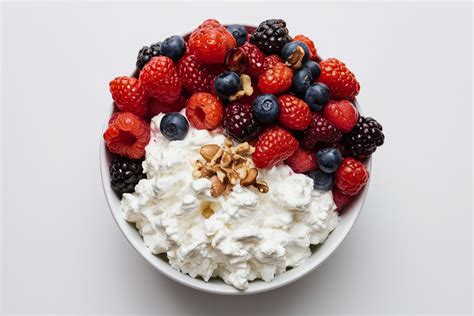
- Cottage cheese with sliced peach, berries, or tomatoes: around 150–220 calories for a modest serving. Cottage cheese is protein-rich, and the fruit or vegetables add freshness and volume.
- A small bowl of high-fiber cereal with milk: approximately 150–250 calories, depending on the cereal and milk. Choose a cereal with meaningful fiber and measure the serving instead of repeatedly filling the bowl.
- Air-popped popcorn, around 3 cups, with a little seasoning: roughly 90–150 calories before generous oil or butter. Its volume can be satisfying, but heavy coatings make it much more energy-dense.
- A small serving of edamame or a few whole-grain crackers with hummus: about 150–250 calories. These options offer some protein and fiber, though portions still matter.
You do not need to build a perfect snack every night. A banana may be enough if you are mildly hungry. If you want something more sustaining, pair carbohydrate with protein, such as fruit and yogurt. If dinner was light on vegetables or whole grains, a fiber-rich option may be useful.
Use a bowl, plate, or single-serving container instead of eating from the packet. Sit down, slow down, and check your hunger halfway through. If you are still hungry after the planned portion, choose a little more deliberately rather than treating the first serving as a failure. The snack should satisfy you, not become another rule to worry about.
5. Could a late snack affect my sleep, digestion, or blood sugar?
For many people, a modest evening snack causes no noticeable problem. Individual responses matter more than a universal rule. A large, rich, spicy, or greasy meal close to bedtime can cause discomfort, and lying down soon after eating may worsen reflux for some people. If you regularly experience heartburn, nausea, bloating, or disturbed sleep, try a smaller snack earlier and see whether that changes things.
Caffeine also matters. Chocolate, coffee-flavoured foods, tea, and some energy products can contain enough caffeine to affect sleep in sensitive people. A sweet snack may feel stimulating or lead to more eating, while a simple protein-and-fiber option may be calmer and easier to portion. Pay attention to your own response rather than assuming every late snack will affect you the same way.
Eating at night does not automatically slow your metabolism to a harmful degree. Your body continues using energy while you sleep, and resting does not turn a snack into instant fat. The more common concern is that late eating can add unplanned calories or disrupt sleep. Poor sleep can then make appetite and food choices harder the following day.
Blood sugar needs more individual care. If you have diabetes, use glucose-lowering medication, or have received specific advice about bedtime food, follow your clinician’s plan rather than general weight-loss guidance. Carbohydrate content, portion, medication, and timing may all matter. A snack that suits one person may not suit another.
There is no need to avoid a reasonable snack solely because it is after dinner. Consider its size, ingredients, your bedtime, and any symptoms. Leave more time after a larger snack before lying down, keep caffeine away from bedtime if it affects you, and seek personalised medical advice for persistent reflux, unusual blood-sugar changes, or recurring sleep disruption.

6. How to make an evening-snack plan you can actually stick with
A simple plan is easier to follow than a nightly argument with yourself. Decide what you will do when hunger appears, then make that choice practical.
1. Check for hunger. Notice when you last ate and whether you would accept a simple, filling food. If you are not hungry, try a non-food activity first, such as making tea, showering, reading, or brushing your teeth. You can still eat later if genuine hunger returns.
2. Choose one planned portion. Keep suitable options available, such as yogurt, fruit, cottage cheese, popcorn, or whole-grain crackers with hummus. Put the amount in a bowl or on a plate instead of taking the packet to the sofa.
3. Eat with some attention. Sit down, reduce distractions where possible, and give yourself time to notice the food. You do not need to eat slowly in a theatrical way; simply avoid treating the snack as invisible calories.
4. Review the pattern, not one night. If you are hungry occasionally, nothing may need changing. If you are hungry every evening, look at dinner size and composition, the gap between dinner and bedtime, and whether an afternoon snack would help. Adding vegetables, protein, or a higher-fiber carbohydrate to dinner may make the later gap easier.
5. Adjust without punishment. If the snack becomes a regular part of your day, include it in your rough calorie plan or make a modest adjustment elsewhere. Do not skip breakfast the next morning to compensate for a normal snack; that can set up another cycle of excessive hunger.
Use this decision rule: if you are physically hungry, choose one satisfying portion and eat it without guilt. If you are not hungry, pause and choose another way to meet the need. If you are unsure, have a drink, wait a few minutes, and reassess. This approach gives you structure without turning an evening snack into a moral verdict.
Conclusion
An evening snack is not automatically bad for weight loss. If you are genuinely hungry, choose one measured snack with protein, fiber, or both, and eat it sitting down. If you are comfortable, pause briefly and try a non-food activity instead. Pay closer attention to portion size, your total eating pattern, sleep, and whether after-dinner eating becomes unplanned grazing. If hunger appears most nights, adjust dinner or plan a snack rather than treating it as a character flaw. The goal is not to avoid all food after dinner; it is to stay satisfied and consistent without unnecessary guilt.
Frequently Asked Questions
Is it better to go to bed hungry for weight loss?
Not necessarily. Mild hunger may pass, but going to bed very hungry can make sleep harder or lead to overeating later. A small, planned snack can fit a weight-loss plan if it helps you stay consistent.
What is the best time to stop eating at night?
There is no universal cut-off time for weight loss. Finish large meals early enough to avoid discomfort before bed, and choose snack timing based on hunger, sleep, digestion, and your daily routine.
Are fruit or carbohydrates at night fattening?
No. Fruit and other carbohydrate foods are not automatically more fattening at night. Calories and portion size still count, but a piece of fruit or a small high-fiber snack can be a sensible evening choice.
Should I eat protein before bed while losing weight?
A protein-containing snack can help with fullness and may make it easier to avoid grazing, but it is not required for everyone. Greek yogurt, cottage cheese, or another modest protein-rich option can work if you are hungry and it fits your overall intake.
Can eating after dinner cause diabetes or permanently slow metabolism?
Eating after dinner does not automatically cause diabetes or permanently slow your metabolism. Frequent excess intake, poor sleep, and overall dietary patterns matter more. People with diabetes may need personalised guidance about snack timing and carbohydrate portions.