
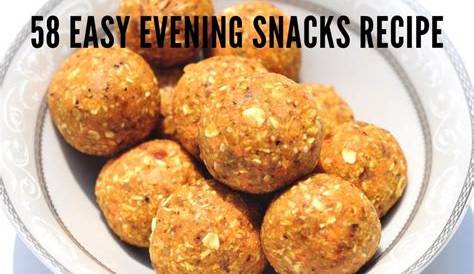
Evening Snacks to Avoid for Belly Fat Loss
The evening snacks to limit when trying to lose belly fat are sugary drinks, sweets, fried snacks, crisps, oversized portions of calorie-dense foods, and alcohol. No single snack specifically causes belly fat, and eating after a particular hour does not automatically cause weight gain. Your overall calorie intake, food quality, activity, sleep, and stress matter more than the clock. Evening snacks can still quietly slow progress when they add calories without much fullness, especially after dinner or when eaten straight from a packet. The goal is not to ban snacks, but to notice whether you are genuinely hungry and choose a measured option with protein, fiber, or both when you need one.
1. Which evening snacks are most likely to slow belly-fat loss?
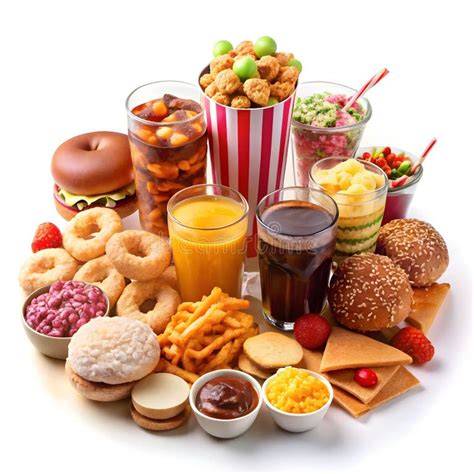
The evening choices most likely to slow overall fat loss are sugary drinks, sweets, fried snacks, crisps, oversized portions of calorie-dense foods, and alcohol. None of them targets your stomach and creates belly fat by itself. The problem is that they can make it easy to consume more energy than you need across the day.
Sugary drinks are easy to overlook because they involve little chewing and often do not keep you full for long. A sweetened coffee, fizzy drink, milkshake, or large glass of juice can be added to an evening without feeling like a snack. Sweets, biscuits, ice cream, and pastries can have the same pattern: enjoyable, but not especially filling for the calories.
Fried snacks and crisps combine fat, starch, salt, and strong flavours that can encourage grazing. You might plan to eat a small amount, then keep reaching into the packet while watching television. Alcohol adds calories directly and may also reduce your restraint around food. A couple of drinks can lead to takeaway food, dessert, or late-night nibbling.
Portion size matters as much as the food itself. A small bowl of popcorn is different from eating from a large sharing bag. One slice of cake is different from repeatedly cutting “just a little more.” These foods can fit into a weight-loss plan occasionally, but making them a nightly habit or eating them automatically after dinner can work against your goal.
2. Is eating after 8 p.m. really what causes belly fat?
No. Eating after 8 p.m. does not automatically cause belly fat. If your total food intake is appropriate for your needs, a nutritious snack at 9 p.m. is not magically stored around your waist because of the time.
The bigger issue is what late eating adds to the whole day. For example, you might finish dinner, then have biscuits with tea, chocolate, and a drink because they are available. A takeaway eaten late can also be much larger than the meal you would normally prepare. Each addition may seem small, but several evenings like this can create a calorie surplus.
Late meals may interfere with sleep, especially when they are very large, spicy, fatty, or paired with alcohol. Poor sleep can leave you more tired the next day and more likely to seek quick, highly palatable foods. That is an indirect connection, not proof that a particular hour causes abdominal fat.
There is no universal cut-off time. Some people work late, train in the evening, or naturally eat dinner later. A small snack before bed may be sensible if you are genuinely hungry, particularly if dinner was early or light. Ask yourself whether you are adding food you need or eating automatically on top of what you have already had. Your daily pattern and portions matter more than watching the clock.
3. Why do snacks like biscuits, chips, and sweetened tea leave you hungry again?
Biscuits, crisps, and sweetened tea can provide plenty of calories without much protein, fiber, or food volume. Those are some of the features that help a snack keep you satisfied. Highly processed foods are also easy to eat quickly, so you may consume more before you notice how much you have had.
Tea with two or three biscuits may be a modest snack, depending on the type and size, but it may not contain enough protein or fiber to keep you satisfied until bedtime. If you are still hungry 30 or 60 minutes later, you might add more biscuits, toast, chocolate, or a second drink. The problem is not that tea or biscuits are uniquely fattening; the combination can become a repeating cycle of small additions.
Crisps create a similar problem. A few handfuls from a large bag can feel insignificant, but eating straight from the packet makes the portion difficult to judge. Their salt and strong flavour can also encourage you to continue after your physical hunger has eased.
If you want biscuits, pour a planned portion onto a plate and eat it slowly rather than taking the packet to the sofa. Have unsweetened or lightly sweetened tea alongside something more filling, such as yogurt or fruit. This is about reducing automatic extra eating, not creating anxiety around ordinary foods.
4. What about healthy snacks that can still become too much?
Nutritious foods can still provide more calories than you intended. Nuts, nut butter, dried fruit, granola, and cheese contain useful nutrients, but they are relatively concentrated sources of energy. Calling them “healthy” does not make unlimited portions neutral for weight loss.
A small handful of nuts may be satisfying, while several handfuls eaten during a film can become a much larger serving. A spoonful of peanut or almond butter can complement fruit or toast; eating directly from the jar makes the portion harder to judge. Dried fruit is convenient, but removing the water makes it easy to eat several pieces quickly. Granola often contains added sugar and oil, so a large bowl may be more substantial than it appears.
Cheese can add protein and flavour, yet a pile of cheese with crackers can turn into a full extra meal. These foods are not forbidden; they simply benefit from structure. Try a small handful of nuts, one tablespoon of nut butter, a measured serving of dried fruit, a modest sprinkle of granola, or a few slices of cheese, depending on your hunger and the rest of your day.
Pair a calorie-dense food with something bulky or fiber-rich: apple slices with a measured amount of nut butter, yogurt with a small topping of granola, or cheese with vegetables. If you regularly need a snack after dinner, check whether dinner contains enough protein, vegetables, whole grains, or other high-fiber foods.
5. What should you eat instead when you are genuinely hungry at night?
When physical hunger is real, choose enough food to feel satisfied without turning the snack into an unplanned second dinner. Protein and fiber tend to provide more staying power than a sugary or refined snack on its own.
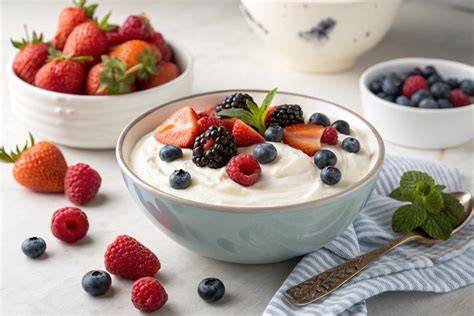
- Greek yogurt with berries, choosing plain or lightly sweetened yogurt if that suits you.
- A piece of fruit with a measured portion of nuts or a small amount of nut butter.
- Carrot, cucumber, or pepper sticks with hummus.
- An egg on whole-grain toast.
- Cottage cheese with fruit, or a small bowl of beans with chopped vegetables.
- Air-popped popcorn in a portioned bowl, especially if you want something crunchy.
The right amount depends on your body, activity, dinner, and goals. A snack should settle your hunger, not leave you stuffed. Put it on a plate or in a bowl before you start eating, and sit down rather than picking at food while standing in the kitchen.
If you exercise in the evening, you may need a more substantial snack containing carbohydrate and protein. If you had a large, balanced dinner only an hour earlier, a glass of water or a pause may be enough when the urge is not physical hunger. These alternatives are not magic belly-fat foods; they simply make appetite and daily calories easier to manage.
6. How can you stop habitual evening snacking without feeling deprived?
Separate physical hunger from habit, boredom, stress, or tiredness. Physical hunger tends to build gradually and can be satisfied by a range of foods. Habitual eating often appears at a predictable time, such as when you sit down to watch television, and may fade if you change the activity or pause briefly.
Try this evening plan: 1. Pause for a few minutes and ask whether you would eat a simple food such as yogurt, fruit, or an egg. If you would eat only a specific treat, the urge may be driven by habit or emotion rather than hunger. 2. If you are hungry, choose one snack and portion it before eating. Keep foods you want to limit out of arm’s reach instead of relying on willpower beside a large packet. 3. Build dinner around a protein source, vegetables or other high-fiber foods, and a satisfying carbohydrate if you enjoy one. A more filling dinner can reduce the urge to search for food later. 4. If you are bored or tired, try a non-food response first: make tea, brush your teeth, take a short walk, shower, read, or go to bed earlier. The aim is to break the automatic cue.
Do not skip meals the next day to compensate for one evening of overeating. That can leave you overly hungry and restart the same cycle. If unusual hunger persists, abdominal weight gain is rapid or unexplained, or you have symptoms such as excessive thirst, marked fatigue, or medication changes, speak with a doctor or registered dietitian. They can consider medical, dietary, and lifestyle factors rather than assuming the problem is simply willpower.
Conclusion
Start with one practical change: stop eating from packets and decide in advance whether you need a portion after dinner. Limit sugary drinks, frequent desserts, fried foods, crisps, alcohol, and oversized servings of calorie-dense “healthy” foods, but do not treat any one item as the cause of belly fat. If you are hungry, choose a modest snack built around protein, fiber, or both. If you are not hungry, change the evening cue instead of standing in front of the cupboard. Success does not require never snacking; it means making snacks deliberate, satisfying, and compatible with gradual overall weight loss.
Frequently Asked Questions
What is the worst evening snack for belly fat?
There is no single worst snack, because belly-fat loss depends on your overall calorie balance and habits. Sugary drinks, alcohol, fried foods, crisps, and desserts are common problems because they are easy to overeat and often provide little fullness.
Can I eat fruit at night while trying to lose weight?
Yes. Fruit does not become fattening simply because you eat it in the evening. If you are hungry, pair fruit with yogurt, cottage cheese, or a measured portion of nuts for a more satisfying snack.
How many calories should an evening snack have?
There is no single suitable number for everyone. A modest portion that fits your hunger and daily plan is more useful than a rigid limit; for many people, a snack in the rough range of 100 to 250 calories is enough, while active people may need more.
Should I stop eating after 8 p.m. to lose belly fat?
Not necessarily. The time itself does not cause belly fat, but eating late can slow progress if it adds unplanned calories or disrupts sleep. Choose a routine that fits your schedule and helps you avoid automatic grazing.
Why am I always hungry at night?
You may be eating too little during the day, having a dinner low in protein or fiber, sleeping poorly, or using food to manage stress or boredom. Persistent or unusual hunger, especially with rapid abdominal weight gain or other symptoms, deserves a discussion with a doctor or registered dietitian.